In herbal world, there exist a tree so nutritionally dense, so pharmacologically versatile that researchers have taken to calling it the “miracle tree.”
Moringa oleifera, known as Shohanjna (سوہانجنہ) across Pakistan and parts of South Asia, has been feeding and healing communities since at least the 11th century in Ayurvedic and Unani traditions, and today it stands at the intersection of cutting-edge nutritional science and ancient plant wisdom.
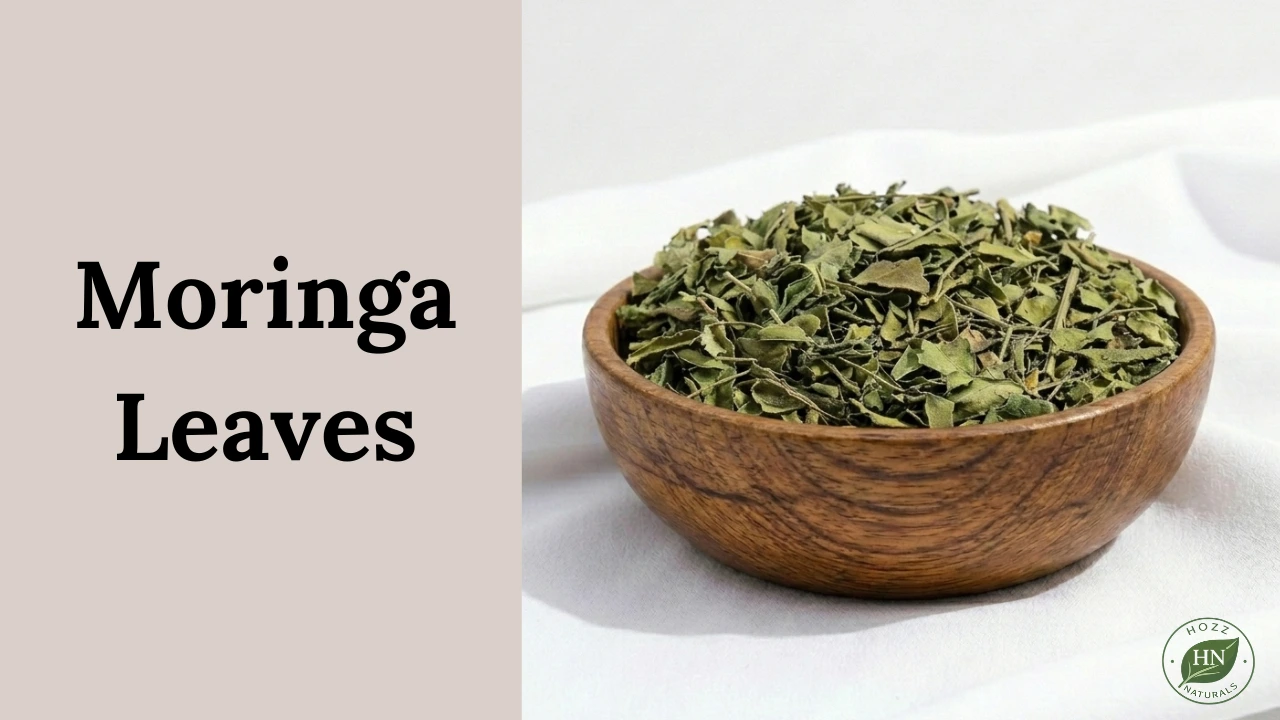
Table of Contents
What Is Moringa (Shohanjna)?
Moringa oleifera Lam. belongs to the monogeneric family Moringaceae and is the most widely cultivated of all 13 known Moringa species. It is a fast-growing, drought-resistant, deciduous tree that can reach 10 to 12 meters in height, though it is commonly pruned to keep its nutrient-dense leaves, pods, and flowers within easy harvesting reach.
Moringa oleifera Lam. khandan Moringaceae ki wahid jins se talluq rakhta hai aur Moringa ki maloom 13 aqsam mein sab se zyada kasht ki jane wali qisam hai. Yeh aik tezi se barhne wala, khushki bardasht karne wala aur pat jhar darakht hai jo 10 se 12 meter tak buland ho sakta hai. Taham, isay aam tor par kaat chhaan kar chhota rakha jata hai taa ke is ke ghizaiyat se bharpoor patte, phaliyan aur phool aasani se hasil kiye ja saken.
The tree is native to the southern foothills of the Himalayas and indigenous to the Indian subcontinent. Moringa grows with remarkable tenacity. The tree thrives in poor soil, withstand severe drought, and produce harvestable leaves within a few months of planting from seeds or cutting.
Yeh darakht Himalaya ke janubi daaman ka asli pauda hai aur bar-e-sagheer ka maqami darakht mana jata hai. Moringa ghair mamooli mazbooti ke sath ugta hai. Yeh kamzor mitti mein bhi parwan chadh jata hai, shadeed khushki bardasht kar leta hai aur beej ya cutting lagane ke chand mahinon baad hi qabil-e-bardasht patte paida kar deta hai.
The name “Moringa” derives from murungai, the Tamil word for its characteristic twisted seed pods. In Pakistan, it is most commonly called Sohanjana or Shohanjna (سوہانجنہ), with regional variants including Sahajna and Munaga.
Lafz “Moringa” Tamil zaban ke lafz “Murungai” se nikla hai jo is ki murri hui phaliyon ki taraf ishara karta hai. Pakistan mein isay zyada tar Sohanjana ya Shohanjna (Sohanjna) kaha jata hai, jabke kuch ilaqai naamon mein Sahajna aur Munaga bhi shamil hain.
What makes Moringa truly exceptional is that virtually every part of the tree — leaves, pods, seeds, flowers, bark, and roots — is edible or medicinally useful. The leaves in particular represent one of the most nutritionally concentrated plant foods ever studied, containing a remarkable assembly of vitamins, minerals, essential amino acids, antioxidants, and bioactive compounds.
Moringa ki sab se ghair mamooli baat yeh hai ke is darakht ka taqreeban har hissa — patte, phaliyan, beej, phool, chaal aur jarain — ya to khanay ke qabil hai ya tibbi tor par mufeed hai. Khas tor par is ke patte duniya ki sab se zyada ghizaiyat rakhne wali nabati ghizaon mein shumar kiye jate hain, jin mein vitamins, minerals, zaroori amino acids, antioxidants aur bioactive murakkabat ki bari miqdar mojood hoti hai.
Moringa Names Across Languages
Moringa’s global reach across tropical and subtropical civilizations has given it one of the most extensive multilingual name portfolios of any single plant species:
- Urdu / Pakistan: سوہانجنہ (Sohanjana, Shohanjna, Sahajna, Munaga)
- English: Drumstick Tree, Horseradish Tree, Miracle Tree, Ben Oil Tree
- Arabic: بان زيتوني (Ban Zaytuni), Al Bân, Al Yassar, Halim, Ruwag
- Persian: درخت مورینگا (Derakht-e Moringa)
- Hindi / Sanskrit: सहजन (Sahjan), Munaga
- Indonesian / Malay: Kelor
- French: Ben ailé, Benzolive, Moringa ailée
- Spanish: Marango, Resedá, Árbol de los espárragos
- German: Meerrettichbaum, Behennussbaum
Nutritional Composition of Moringa (Shohanjna)
Before exploring Moringa benefits in detail, understanding the nutritional architecture of this plant illuminates why science has become so captivated by it.
Moringa ke fawaid ko tafseel se samajhne se pehle is ki ghizai saakht ko samajhna zaroori hai.
A single cup of fresh Moringa leaves (approximately 21 grams) delivers meaningful quantities of Vitamin B6, Vitamin C, Vitamin A (as beta-carotene), riboflavin, iron, magnesium, and calcium. Moringa contains over 92 different nutrients in total, including 18 of the 20 amino acids — including all 9 essential amino acids that the human body cannot synthesize independently.
Taqreeban 21 gram taza Moringa ke patte Vitamin B6, Vitamin C, Vitamin A (beta-carotene ki surat mein), riboflavin, iron, magnesium aur calcium ki achhi miqdar faraham karte hain.
Moringa mein majmooi tor par 92 se zyada ghizai ajza mojood hote hain, jin mein 20 mein se 18 amino acids shamil hain, aur in mein tamam 9 zaroori amino acids bhi mojood hote hain jo insani jism khud paida nahin kar sakta.
Its protein content is exceptional for a plant food, with three grams of protein per tablespoon of powder.
Yeh pauda protein se bhi bharpoor hai. Moringa powder ke aik chamach mein taqreeban 3 gram protein mojood hota hai.
The root and leaves also harbor potent bioactive compounds including quercetin, kaempferol, chlorogenic acid, glucomoringin, and isothiocyanates — phytochemicals that collectively generate antioxidant, anti-inflammatory, anticancer, and antimicrobial effects throughout the body.
Is ki jaron aur patton mein quercetin, kaempferol, chlorogenic acid, glucomoringin aur isothiocyanates jaise taqatwar bioactive murakkabat bhi paye jate hain jo antioxidant, anti-inflammatory, anticancer aur antimicrobial asraat paida karte hain.
Moringa Benefits
The therapeutic profile of Moringa is exceptionally wide. Below is a wide comprehensive account of its most significant, research-supported health benefits.
Moringa ke tibbi fawaid nihayat wasee hain. Neeche chand aham aur tehqeeq se sabit shuda fawaid bayan kiye gaye hain.
Unmatched Antioxidant Power
Oxidative stress — the cellular damage caused by an excess of free radicals — lies at the root of most chronic degenerative diseases, from type 2 diabetes and heart disease to cancer and Alzheimer’s. Moringa’s antioxidant arsenal is vast and includes Vitamin C, beta-carotene, quercetin, chlorogenic acid, and kaempferol — compounds that neutralize free radicals before they can wreak cellular havoc.
Oxidative stress yani free radicals ki wajah se khaliyon ko pohanchne wala nuqsan kai daimi bemariyon ki bunyaad mana jata hai, jin mein diabetes, dil ki bemariyan, cancer aur Alzheimer’s shamil hain.
Moringa mein Vitamin C, beta-carotene, quercetin, chlorogenic acid aur kaempferol jaise antioxidants mojood hote hain jo free radicals ko nuqsan pohanchane se pehle hi khatam kar dete hain.
Research has shown that supplementation with 1.5 teaspoons (approximately 7 grams) of Moringa leaf powder daily for three months significantly elevated antioxidant status in study participants.
Tehqeeq se maloom hua hai ke rozana taqreeban 7 gram Moringa leaf powder 3 mahinay tak istemal karne se jism ki antioxidant salahiyat mein numayan izafa hota hai.
The antioxidant compounds in Moringa leaves are particularly active against oxidative stress caused by UV exposure, making it doubly relevant for skin protection.
Blood Sugar Management
A comprehensive 2020 review of 7 human studies and 23 animal studies concluded that Moringa oleifera meaningfully helped lower blood sugar levels — a finding of enormous relevance given the global diabetes epidemic.
2020 ki aik wasee review research jis mein 7 insani aur 23 janwaron par mabni studies shamil thin, is natije par pohanchi ke Moringa oleifera khoon mein sugar ki satah kam karne mein madad karti hai.
The bioactive compounds most responsible for this effect are isothiocyanates, quercetin, kaempferol, glucomoringin, and chlorogenic acid, which work through complementary pathways to improve insulin sensitivity, stimulate insulin secretion, and slow the absorption of sugar from the gut into the bloodstream.
Is asar ke zimmedar aham murakkabat isothiocyanates, quercetin, kaempferol, glucomoringin aur chlorogenic acid hain jo insulin ki karkardagi ko behtar banate hain aur sugar ke jazb hone ki raftar ko kam karte hain.
Cardiovascular and Blood Pressure Protection
A 2021 human study found that participants who consumed 120 grams of cooked Moringa leaves measured significantly lower blood pressure two hours after eating compared to control subjects.
2021 ki aik insani tehqeeq mein dekha gaya ke jo afrad 120 gram pakay hue Moringa ke patte khate thay un ka blood pressure do ghante baad control group ke muqablay mein kam tha.
Quercetin and kaempferol in Moringa leaves exert direct antihypertensive effects, while oleic acid — present in the plant’s seed oil — contributes to cholesterol management. Moringa has been shown to reduce LDL (harmful) cholesterol and triglyceride levels while raising HDL (protective) cholesterol, creating a favorable lipid profile that directly reduces cardiovascular risk.
Moringa mein mojood quercetin aur kaempferol blood pressure kam karne mein madad dete hain jabke beej ke tail mein mojood oleic acid cholesterol ko mutawazan rakhta hai.
Moringa:
- LDL (nuqsan deh cholesterol) ko kam karta hai
- Triglycerides ko kam karta hai
- HDL (faida mand cholesterol) ko barhata hai
Yeh tamam asraat dil ki bemariyon ke khatre ko kam karte hain.
Its anti-inflammatory action further protects arterial walls from the chronic inflammation that drives atherosclerosis — the underlying mechanism behind most heart attacks and strokes.
Anti-Inflammatory Action
Chronic, low-grade systemic inflammation is increasingly recognized as the unifying biological mechanism behind an enormous range of modern diseases — from arthritis and inflammatory bowel disease to cancer, depression, and cardiovascular disease. Moringa’s anti-inflammatory credentials are backed by significant laboratory and animal evidence.
Daaimi aur halki satah ki sozish aaj kal ki kai bemariyon ki bunyaadi wajah samjhi jati hai.
Moringa ki anti-inflammatory khasiyat arthritis, inflammatory bowel disease, dil ki bemariyon aur dusri sozishi halaton mein madadgar sabit ho sakti hai.
Liver Health and Detoxification
The liver receives dedicated protection from Moringa’s bioactive compounds. Research has revealed that Moringa contains high concentrations of polyphenols that reverse oxidation in the liver, and that regular consumption can reduce symptoms of liver fibrosis and protect against liver damage from hepatotoxic chemicals. ‘
Jigar jism ka bunyadi detoxification organ hai aur Moringa is ki hifazat mein aham kirdar ada karta hai.
Tehqeeq se pata chala hai ke Moringa mein mojood polyphenols:
- Jigar ko oxidative damage se bachate hain
- Liver fibrosis ki alamat ko kam karte hain
- Jigar ki karkardagi ko behtar banate hain
Yeh fatty liver ke khatre ko bhi kam karne mein madad deta hai.
Moringa’s liver-protective properties extend to supporting the organ’s metabolic functions: it aids in the breakdown and elimination of fat, protects against nonalcoholic fatty liver disease, and helps maintain healthy enzyme levels.
For individuals with impaired liver function or those exposed to environmental toxins, Moringa’s hepatoprotective properties represent a particularly valuable benefit.
Moringa Powder Benefits for Digestion
Moringa powder benefits for the digestive system are both diverse and practically significant. The high fiber content of Moringa leaf powder is critical for maintaining healthy bowel function, reducing constipation, and supporting the growth of beneficial gut bacteria.
Moringa powder mein fiber ki achhi miqdar mojood hoti hai jo:
- Qabz ko kam karti hai
- Aanton ki sehat ko behtar banati hai
- Faida mand bacteria ki nashonuma mein madad deti hai
Is ke antioxidants hazmi nizam ki androni jhilli ko nuqsan se bachane mein bhi madadgar hote hain.
The high antioxidant activity of Moringa also protects the gastrointestinal lining from oxidative damage — a growing area of interest in the management of inflammatory bowel conditions.
Bone Health and Structural Strength
Moringa’s mineral profile — particularly its concentrations of calcium, phosphorus, and magnesium — makes it one of the most effective plant-based bone-nourishing foods available. Calcium is the structural foundation of bone matrix, while phosphorus works in tandem with calcium to maintain bone density, and magnesium regulates calcium metabolism at the cellular level.
Moringa calcium, phosphorus aur magnesium se bharpoor hai.
Yeh tamam minerals:
- Haddiyon ki mazbooti
- Bone density
- Calcium metabolism
ko behtar banane mein aham kirdar ada karte hain.
Brain and Neurological Health
Moringa’s neuroprotective properties are an area of expanding scientific interest. Its antioxidant compounds protect brain cells from the oxidative damage that underlies neurodegenerative conditions, while its anti-inflammatory bioactives reduce the neuroinflammation increasingly linked to depression, anxiety, and cognitive decline.
Moringa ke antioxidants dimaghi khaliyon ko nuqsan se bachate hain aur neuroinflammation ko kam karte hain.
Isi wajah se yeh:
- Yaadasht ki hifazat
- Zehni sehat
- Depression aur anxiety ke khatre mein kami
mein madadgar sabit ho sakta hai.
Lactation, Women’s Health, and Nutritional Support
Moringa benefits for women are particularly well-established. Moringa leaves have been used for centuries to increase breast milk production in nursing mothers, and clinical research supports this traditional application.
Moringa ke fawaid khawateen ke liye bhi khoob mashhoor hain.
Sadiyon se Moringa ke patte doodh pilane wali maon mein doodh ki paidawar barhane ke liye istemal kiye jate rahe hain aur jadeed research bhi is riwayati istemal ki himayat karti hai.
Its calcium content supports bone health across the female lifespan, while its antioxidant and anti-inflammatory compounds help manage skin health, reduce fine lines and wrinkles, and maintain hair vitality and shine by protecting follicles from oxidative damage.
Is ka calcium haddiyon ki sehat ko behtar banata hai jabke antioxidants jild aur balon ko sehatmand rakhte hain.
How to Use Moringa Leaves and Powder?
Using Moringa leaves depends on the form available and personal preference. Fresh leaves can be eaten raw as a salad garnish, lightly cooked like spinach, added to soups, or blended into smoothies.
Moringa ka istemal muktalif tarekoun se kiya jata hai jaisy ke taza patte salad mein, soup mein, smoothies mein, or saag ki tarah paka kar istemal kiye ja sakte hain.
Dried Moringa leaves are traditionally added to lentils, broths, and grain-based dishes throughout South Asia. Moringa uses in Pakistani food culture most commonly feature the leaves in dal preparations and the pods in curries and sambars.
Khushk patte daalon, yakhniyon, anaaj se tayar shuda ghizaon mein shamil kiye ja sakte hain.
For Moringa powder benefits, the dried leaf powder is the most concentrated and convenient supplemental form. Starting with one-quarter teaspoon (approximately 1–2 grams) taken 30 minutes before meals and gradually increasing to one full teaspoon daily is the most widely recommended approach.
Aik chothai chai ka chamach (1–2 gram) se shuru karein aur ahista ahista aik poora chamach rozana tak barha sakte hain.
Isay:
- Neem garam pani
- Dahi
- Smoothies
- Ya khane par chhirak kar
istemal kiya ja sakta hai.
It can be mixed into warm water, stirred into yogurt, blended with smoothies, or sprinkled directly over food. Cooking the powder alters its nutrient composition, so consuming it raw or added to already-cooked food preserves the maximum benefit.
Moringa tea — made by steeping fresh or dried leaves in hot water — is another popular preparation for Moringa in everyday wellness routines. Capsule and tablet forms are also available for those who find the flavor too pronounced.
Taza ya khushk patton ko garam pani mein bhigo kar chai tayar ki jati hai.
Capsules aur tablets ki surat mein bhi Moringa dastiyab hai.
Moringa Side Effects and Precautions
Despite its extensive benefit profile, Moringa side effects deserve honest discussion. In large quantities, Moringa’s laxative properties can cause stomach upset, gaseous distension, diarrhea, and heartburn.
Excessive doses may trigger nausea. Pregnant women should avoid Moringa due to its potential antifertility and uterine-stimulating properties, particularly from the bark and root.
Those on antidiabetic medications should monitor blood glucose carefully, as Moringa’s sugar-lowering effects may compound drug action and cause hypoglycemia.
Similarly, individuals on blood pressure medications should exercise caution, as Moringa could intensify the hypotensive effect. Those undergoing thyroid treatment should consult a physician before use.
Moringa root, in particular, contains the alkaloid spirochin, which carries neurological risks and should not be consumed in medicinal quantities. Always begin with small doses and increase gradually to assess individual tolerance.
Agarche Moringa bohat mufeed hai, lekin chand ehtiyat zaroori hain.
- Zyada miqdar mein istemal karne se:
- Pait kharab ho sakta hai
- Gas ho sakti hai
- Dast lag sakte hain
- Seene mein jalan ho sakti hai
- Matli mehsoos ho sakti hai
Hamla khawateen ko khas tor par Moringa ki chaal aur jaron se parhez karna chahiye kyun ke yeh bachadani ko mutaharrik kar sakti hain.
Diabetes aur blood pressure ki dawa lene walay afrad doctor ke mashware ke baghair iska istemal na karein.
Moringa ki jar mein spirochin naam ka alkaloid paya jata hai jo asaabi nuqsan ka sabab ban sakta hai, is liye jar ka tibbi istemal nahin karna chahiye.
Conclusion and Medical Disclaimer
From the foothills of the Himalayas to research laboratories across the world, Moringa (Shohanjna) has spent centuries earning — and continues to deserve — its designation as the miracle tree.
Himalaya ke daaman se le kar duniya bhar ki research laboratories tak, Moringa (Sohanjana) ne sadiyon se apni ahmiyat sabit ki hai aur aaj bhi “Miracle Tree” ke naam se jana jata hai.
This content is for educational and informational purposes only and does not substitute professional medical advice, diagnosis, or treatment. Consult a qualified healthcare provider before adding Moringa to your regimen, particularly if you are pregnant, breastfeeding, or taking prescription medications.
Yeh matn sirf taleemi aur maloomati maqsad ke liye hai. Yeh kisi bhi qisam ke professional medical mashware, tashkhees ya ilaj ka badal nahin hai. Agar aap hamla hain, bachay ko doodh pila rahi hain ya koi dawa istemal kar rahi hain to Moringa ko apni routine mein shamil karne se pehle kisi maahir doctor ya healthcare provider se mashwara zaroor karein.