There are certain medicinal plants that transcend the boundaries of era, geography, and culture. These are the herbs so deeply woven into the fabric of human healing that they appear in ancient manuscripts, royal courts, modern laboratories, and neighborhood herbal stores all at once.
Asgandh Nagori is one such plant. Known across the world, and in Pakistani culture (Urdu speaking culture) as Ashwagandha, this extraordinary root has quietly served humanity for more than four thousand years, and its reputation today is arguably stronger than at any point in its long and storied history.
کچھ طبی پودے ایسے ہوتے ہیں جو زمانے، جغرافیے اور ثقافت کی حدود سے بالاتر ہوتے ہیں۔ یہ وہ جڑی بوٹیاں ہیں جو انسانی علاج کے نظام میں اس قدر گہرائی سے رچی بسی ہوتی ہیں کہ بیک وقت قدیم مخطوطات، شاہی درباروں، جدید لیبارٹریوں اور محلّے کی عطاری دکانوں میں نظر آتی ہیں۔
اسگند ناگوری بھی انہی میں سے ایک پودا ہے۔ دنیا بھر میں اشوگندھا کے نام سے معروف، یہ غیر معمولی جڑ چار ہزار سال سے زیادہ عرصے سے انسانیت کی خدمت کر رہی ہے، اور آج اس کی شہرت شاید اپنی تاریخ کے کسی بھی دور سے زیادہ مضبوط ہے۔
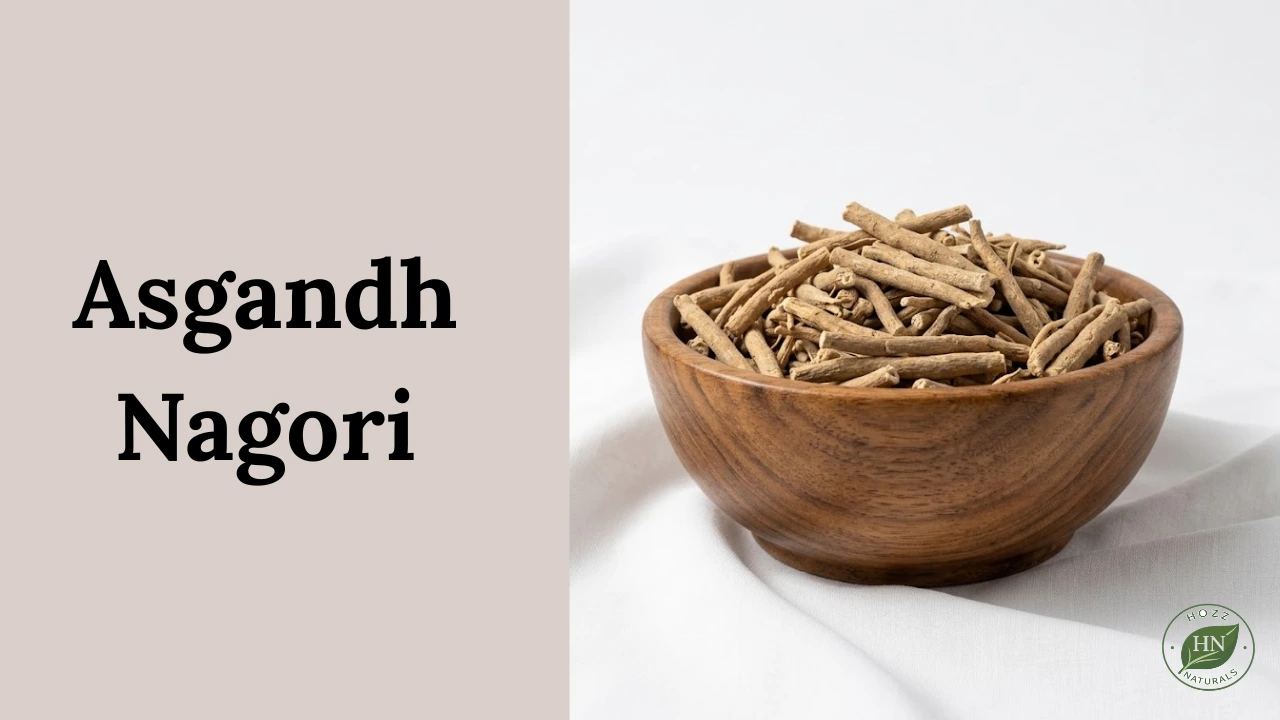
Table of Contents
Whether you are seeking to understand Asgandh Nagori in Urdu traditions of Unani medicine, exploring Ashwagandha in Urdu fayde for personal wellness, this guide delivers everything you need to know, from its botanical origins and multilingual identity to its expansive, clinically-supported health benefits.
چاہے آپ یونانی طب کی اردو روایات میں اسگند ناگوری کو سمجھنا چاہتے ہوں یا ذاتی صحت کے لیے اشوگندھا کے فوائد جاننا چاہتے ہوں، یہ رہنما آپ کو اس کے نباتاتی پس منظر، مختلف زبانوں میں اس کی شناخت اور اس کے وسیع، سائنسی طور پر ثابت شدہ فوائد کے بارے میں مکمل معلومات فراہم کرتا ہے۔
What is Ashwagandha (Asgandh Nagori)?
Ashwagandha is the Unani and Urdu designation for the plant scientifically classified as Withania somnifera Dunal — a small, hardy, evergreen shrub belonging to the Solanaceae family.
The plant typically grows 35 to 75 centimeters tall, bearing dull green elliptical leaves, tiny greenish-yellow bell-shaped flowers, and vibrant orange-red berries that resemble miniature cherries.
It is native to the arid, dry regions of the Indian subcontinent, the Middle East, North Africa, and parts of southern Europe, and thrives particularly well in sandy, stony soils with abundant sunlight.
The part most commonly harvested for medicinal purposes is the root — long, thick, starchy, and brittle — which carries a distinctly pungent, horse-like odor. This aroma is not incidental: the Sanskrit name “Ashwagandha” literally translates as “smell of a horse” (ashva = horse, gandha = smell), and the tradition holds that consuming this root regularly grants the user the vitality, stamina, and muscular endurance of a stallion.
The Latin species name somnifera, meaning “sleep-inducing,” points to another defining property of this plant — its capacity to calm the nervous system and promote restorative sleep.
The “Nagori” designation in Asgandh Nagori specifically refers to a premium landrace variety cultivated in the Nagaur district of Rajasthan, India.
Chemically, the root’s power resides in a group of steroidal lactones called withanolides — particularly withanolide A and withanolide D — alongside alkaloids, saponins, glycowithanolides, and withaniamides.
اسگند ناگوری کیا ہے؟
یہ پودا عموماً 35 سے 75 سینٹی میٹر تک اونچا ہوتا ہے، جس کے پتے مدھم سبز، بیضوی شکل کے ہوتے ہیں، جبکہ اس پر چھوٹے سبز مائل پیلے گھنٹی نما پھول اور چمکدار نارنجی سرخ بیریاں لگتی ہیں جو چھوٹی چیری جیسی دکھائی دیتی ہیں۔
یہ پودا برصغیر، مشرقِ وسطیٰ، شمالی افریقہ اور جنوبی یورپ کے خشک علاقوں میں پایا جاتا ہے، اور خاص طور پر ریتلی اور پتھریلی زمین میں، جہاں دھوپ زیادہ ہو، اچھی طرح نشوونما پاتا ہے۔
طبّی استعمال کے لیے اس کا سب سے اہم حصہ اس کی جڑ ہے—جو لمبی، موٹی، نشاستہ دار اور قدرے نازک ہوتی ہے، اور اس میں ایک خاص تیز، گھوڑے جیسی بو پائی جاتی ہے۔ یہی وجہ ہے کہ سنسکرت میں “اشوگندھا” کا مطلب “گھوڑے کی بو” ہے (اشو = گھوڑا، گندھا = خوشبو/بو)، اور روایت کے مطابق اس جڑ کے استعمال سے انسان کو گھوڑے جیسی طاقت، قوت اور برداشت حاصل ہوتی ہے۔
“ناگوری” کا لفظ اسگند ناگوری کی ایک خاص اعلیٰ قسم کی طرف اشارہ کرتا ہے، جو بھارت کے ریاست راجستھان کے ضلع ناگور میں اگائی جاتی ہے اور اپنی اعلیٰ کوالٹی کے لیے مشہور ہے۔
Ashwagandha Names Across Languages
The universality of this herb’s healing role is beautifully captured in the breadth of names it carries across human languages and medical traditions:
- Urdu: اسگند ناگوری (Asgand Nagori), Ashwagandha
- English: Indian Ginseng, Winter Cherry, Poison Gooseberry
- Sanskrit: Ashwagandha, Vajikari, Varahakarni, Gandhpatri, Balada
- Hindi: Asgandh, Nagori Asgandh, Aksan, Ajagandha
- Arabic: Kaknaje Hindee (كاكنج هندي), Simm al-Faraakh, Hajarat el Dib
- Persian: Bari Behman, Meheman
- German: Schlafbeere
- Bengali: Dhuppa, Ashwagandha
- Latin: (Scientific) Withania somnifera Dunal
This linguistic breadth reflects a healing tradition shared across Ayurvedic, Unani, Siddha, African, Chinese, and traditional Persian systems of medicine — each having arrived independently at the same conclusion: this root works.
Ashwagandha Benefits in Urdu Traditions and Beyond
Understanding the full scope of Ashwagandha benefits in Urdu and global herbal medicine requires looking both at what classical texts prescribed and what contemporary clinical science has confirmed.
اسگند ناگوری کے مکمل فوائد کو سمجھنے کے لیے ضروری ہے کہ ہم روایتی طبی کتب اور جدید سائنسی تحقیق دونوں کا جائزہ لیں، کیونکہ دونوں ہی اس جڑی بوٹی کی افادیت کی تصدیق کرتے ہیں۔
Stress Reduction and Adaptogenic Action
The single most well-documented and celebrated function of Asgandh Nagori is its capacity to help the human body manage psychological and physiological stress.
It is classified as an adaptogen — a category of natural substances that help the body maintain homeostasis and resist stressors of all kinds, whether arising from mental pressure, physical exertion, poor sleep, environmental toxins, or nutritional deficiency.
اسگند ناگوری کا سب سے نمایاں اور سائنسی طور پر ثابت شدہ فائدہ ذہنی اور جسمانی دباؤ کو کم کرنا ہے۔
اسے ایک ایڈاپٹوجین قرار دیا جاتا ہے، یعنی یہ جسم کو مختلف قسم کے دباؤ (جیسے ذہنی تناؤ، جسمانی تھکن، نیند کی کمی، ماحولیاتی آلودگی یا غذائی کمی) کے خلاف مزاحمت کرنے اور توازن برقرار رکھنے میں مدد دیتی ہے۔
Anxiety, Sleep, and Mental Clarity
The alkaloids within the root exert mild sedative and anxiolytic effects by calming the central nervous system without inducing grogginess or dependency — a stark contrast to pharmaceutical anti-anxiety medications.
At oral doses of 300 to 600 mg of standardized root extract per day, studies indicate meaningful reduction in generalized anxiety symptoms and improved sleep quality, particularly in individuals with insomnia.
Beyond anxiety and sleep, cognitive function research has shown Ashwagandha to be a legitimate nootropic herb. Studies confirm improvements in memory recall, reaction time, mental focus, and the ability to sustain attention under cognitively demanding conditions.
اس کی جڑ میں موجود الکلائیڈز ہلکے سکون آور اور اینٹی اینگزائٹی اثرات رکھتے ہیں، جو اعصابی نظام کو پرسکون بناتے ہیں بغیر غنودگی یا انحصار پیدا کیے۔
تحقیقی مطالعات کے مطابق روزانہ 300 سے 600 ملی گرام جڑ کے معیاری عرق کے استعمال سے بے چینی میں واضح کمی اور نیند کے معیار میں بہتری دیکھی گئی ہے، خاص طور پر بے خوابی کے مریضوں میں۔
مزید برآں، اسگند ناگوری دماغی کارکردگی کو بہتر بنانے والی جڑی بوٹی بھی ہے، جو یادداشت، توجہ اور ردعمل کی رفتار کو بہتر بناتی ہے۔
Physical Stamina, Muscle Strength, and Athletic Performance
One reason Ashwagandha has been described for millennia as a “horse herb” is its demonstrable impact on physical endurance and muscular power.
Clinical research in healthy young men who consumed 500 mg of Ashwagandha daily for eight weeks showed significantly greater gains in exercise speed and power, increased muscle mass in the arms and chest, and reduced body fat percentage compared to those receiving a placebo.
اشوگندھا کو صدیوں سے “گھوڑے کی طاقت دینے والی جڑی بوٹی” کہا جاتا ہے، اور جدید تحقیق بھی اس بات کی تصدیق کرتی ہے۔
مطالعات کے مطابق روزانہ 500 ملی گرام اشوگندھا استعمال کرنے والے افراد میں جسمانی طاقت، پٹھوں کی نشوونما اور ورزش کی کارکردگی میں نمایاں اضافہ دیکھا گیا، جبکہ جسمانی چربی میں کمی بھی ہوئی۔
Male Reproductive Health and Sexual Vitality
In classical Unani pharmacology, it features prominently in formulations such as Majoon-e-Asgand — a compound preparation specifically designed to boost male energy, stamina, and reproductive function.
Contemporary science affirms this tradition. Research has demonstrated that Ashwagandha supplementation in men with fertility challenges significantly improves semen quality and restores balance in reproductive hormones, including testosterone and luteinizing hormone (LH)
یونانی طب میں اسگند ناگوری کو خاص طور پر مردانہ طاقت بڑھانے کے لیے استعمال کیا جاتا ہے، جیسے معجونِ اسگند۔
جدید تحقیق بھی اس کی تائید کرتی ہے، جس کے مطابق یہ نطفے کے معیار کو بہتر بناتی ہے اور ہارمونز جیسے ٹیسٹوسٹیرون کو متوازن کرتی ہے۔
Women’s Health and Hormonal Balance
While Asgandh Nagori is often associated with male vitality, its benefits for women are equally profound and deserve equal attention.
Clinical trials involving women with sexual dysfunction showed substantial improvements in sexual arousal, lubrication, orgasm quality, and overall sexual satisfaction following Ashwagandha supplementation — findings that reflect the herb’s broad endocrine-balancing effects regardless of gender.
اگرچہ اسگند ناگوری کو اکثر مردوں کے لیے مفید سمجھا جاتا ہے، لیکن خواتین کے لیے بھی اس کے فوائد بہت اہم ہیں۔
تحقیقات سے معلوم ہوا ہے کہ یہ خواتین میں جنسی صحت، ہارمونل توازن، اور مجموعی فلاح و بہبود کو بہتر بناتی ہے۔
Blood Sugar Regulation
Consistent with its Ayurvedic classification as a metabolic tonic, Asgandh Nagori demonstrates meaningful anti-diabetic properties in research settings.
Studies show it can reduce fasting blood sugar levels and improve insulin sensitivity — effects that complement dietary management for individuals with pre-diabetes or type 2 diabetes.
Its ability to suppress sugar cravings through metabolic regulation offers additional value for those managing their weight or glycemic control.
اسگند ناگوری کو آیوروید میں میٹابولک ٹانک سمجھا جاتا ہے۔
تحقیقات کے مطابق یہ خون میں شکر کی سطح کو کم کرنے اور انسولین کی حساسیت کو بہتر بنانے میں مدد دیتی ہے، جو ذیابیطس یا پری ڈایابیٹک افراد کے لیے مفید ہے۔
Brain and Neurological Protection
The neuroprotective effects of Ashwagandha extend well beyond memory enhancement.
Animal studies have shown that Withania somnifera extracts support the regeneration and repair of nerve cells, protect against neurodegenerative damage, and may slow the progression of conditions such as Alzheimer’s disease.
Its antioxidant compounds neutralize the free radicals that accelerate neuronal aging and cellular deterioration, making it a promising subject of ongoing research in neurodegenerative disease prevention.
اسگند ناگوری دماغی صحت کے لیے نہایت اہم ہے۔
تحقیقی مطالعات سے ظاہر ہوتا ہے کہ یہ اعصابی خلیات کی مرمت اور حفاظت میں مدد دیتی ہے اور الزائمر جیسے امراض کے خطرے کو کم کر سکتی ہے۔
اس میں موجود اینٹی آکسیڈنٹس دماغی خلیات کو نقصان پہنچانے والے فری ریڈیکلز کو ختم کرتے ہیں۔
Ashwagandha Uses in Urdu
The dried root is most commonly taken as a powder (churna), mixed into warm milk with a small amount of raw sugar and cardamom — a preparation that amplifies its energy-restoring and sleep-promoting qualities simultaneously.
Standard dosage ranges from 3 to 10 grams of root powder per day, though standardized extracts in capsule or tablet form at 300–600 mg daily are widely used in contemporary practice.
It can also be prepared as a tea, blended into smoothies, or incorporated into compound herbal formulations such as Majoon-e-Asgand, Ashwagandharishta, and Chyawanprash.
اسگند ناگوری کا استعمال
خشک جڑ کو پاؤڈر (چورن) کی شکل میں نیم گرم دودھ، چینی اور الائچی کے ساتھ استعمال کیا جاتا ہے۔
روزانہ 3 سے 10 گرام پاؤڈر استعمال کیا جا سکتا ہے۔
جدید طریقوں میں 300–600 ملی گرام کیپسول یا ٹیبلٹ بھی استعمال کی جاتی ہیں۔
Ashwagandha Side Effects in Urdu
Despite its extensive safety record, international clinical literature warrants honest discussion. The most frequently reported side effects at higher doses include nausea, diarrhea, headache, and excessive sedation.
In rare cases, it may cause a drop in body temperature. It should not be combined with benzodiazepines, anti-seizure medications, or immunosuppressants without medical supervision.
Pregnant and breastfeeding women should avoid it unless explicitly advised otherwise by a qualified healthcare provider. Individuals with autoimmune conditions, thyroid disorders, or hormone-sensitive cancers should consult a physician before use.
اسگند ناگوری کے نقصانات
اگرچہ یہ عام طور پر محفوظ سمجھی جاتی ہے، لیکن کچھ احتیاط ضروری ہے:
زیادہ مقدار میں استعمال سے متلی، اسہال، سر درد یا زیادہ غنودگی ہو سکتی ہے۔
بعض صورتوں میں جسم کا درجہ حرارت کم ہو سکتا ہے۔
اسے اینٹی اینگزائٹی ادویات، مرگی کی ادویات یا امیونوسپریسنٹس کے ساتھ بغیر مشورہ استعمال نہ کریں۔
حاملہ اور دودھ پلانے والی خواتین استعمال سے گریز کریں۔
تھائرائیڈ، آٹو امیون بیماریوں یا ہارمون سے متعلق کینسر کے مریض ڈاکٹر سے مشورہ کریں۔
Conclusion and Medical Disclaimer
From the ancient manuscripts of Ayurveda and the classical texts of Unani medicine to the randomized clinical trials of modern pharmacology, Asgandh Nagori has sustained four thousand years of therapeutic relevance because it genuinely delivers results.
آیوروید اور یونانی طب کی قدیم کتب سے لے کر جدید سائنسی تحقیق تک، اسگند ناگوری نے چار ہزار سال سے اپنی افادیت ثابت کی ہے۔
یہ ایک ایسی جڑی بوٹی ہے جو واقعی مؤثر نتائج فراہم کرتی ہے اور آج بھی اتنی ہی اہم ہے جتنی ماضی میں تھی۔
This content is intended for educational and informational purposes only and does not substitute professional medical consultation, diagnosis, or treatment. Always consult a qualified healthcare practitioner before beginning any herbal supplement regimen.