In traditional Indian Herbs, Shikakai is used for haircare in an era saturated with synthetic haircare products and chemical scalp treatments. The word “Shikakai” itself tells you everything about its purpose. The word is derived from Hindi words ‘shika’ (fruit) and ‘kai’ (nourishing hair).
Shikakai is celebrated as “the fruit for hair” across centuries of Ayurvedic and Unani practice. Today, shikakai is gaining its value back in pharmacological research, dermatological studies, and consumer-driven wellness culture.

Table of Contents
The guide explores its wellness and introduction, names across different languages, health benefits, uses, and side effects in deatil.
What is Shikakai (in Urdu)?
In scientific terms, shikakai is known as Acacia concinna. It is a shrub-like tree popular in Central India. It is a climbing shrub with ablong-shaped dark brown pods, bipinnate leaves, and pink flowers, typically found in the tropical woods of the Indian subcontinent.
The plant belongs to the family Fabaceae (formerly Mimosaceae), a large leguminous family that includes many important medicinal and agricultural plants. It grows as a thorny, woody climbing shrub reaching up to 10 meters in length, with its slender stems armed with curved prickles that anchor it to neighboring trees and structures.
Its compound leaves are bipinnate — divided into multiple pairs of small leaflets — giving the plant a feathery, graceful appearance. Small pale pink flowers bloom in clusters, eventually developing into the oblong, dark brown seed pods that are the primary medicinal part of the plant.
It is these pods that carry the therapeutic value. The pods, leaves, and bark of the Shikakai plant is rick in saponins, natural surfactants that generates a gentle lather. This makes shikakai an effective yet mild cleanser, capable of removing dirt, and excess oils with stripping the scalp of its natural moisture.
Beyond saponins, Shikakai nutritional value is immense. It contains an impressive array of bioactive compounds including triterpenoid saponins (particularly concinnoside and acaciaside), flavonoids, tannins, alkaloids, glycosides, terpenoids, and phenolic compounds.
The plant is also notable for its vitamin content — specifically Vitamins A, C, D, and K — alongside antioxidant compounds that collectively protect hair follicles from oxidative damage. This biochemical richness explains why every part of the plant — pods, bark, and leaves — finds application in traditional medicine.
شکاکائی کیا ہے؟
شکاکائی برصغیر کی روایتی آیورویدک اور یونانی طب میں صدیوں سے بالوں کی نگہداشت کے لیے استعمال ہونے والی معروف جڑی بوٹی ہے۔ اس کا نام ہندی الفاظ “شِکا” (پھل) اور “کائی” (بالوں کی پرورش) سے ماخوذ سمجھا جاتا ہے، اسی لیے اسے روایتی طور پر “بالوں کے لیے پھل” بھی کہا جاتا ہے۔ مصنوعی شیمپو اور کیمیائی مصنوعات کے بڑھتے ہوئے استعمال کے باوجود شکاکائی اپنی قدرتی صفائی، بالوں کی کنڈیشننگ اور کھوپڑی کی دیکھ بھال کی خصوصیات کی وجہ سے آج بھی مقبول ہے۔
شکاکائی ایک کانٹے دار، بیل نما جھاڑی ہے جو عموماً وسطی بھارت اور برصغیر کے گرم علاقوں میں پائی جاتی ہے۔ اس کے پھل، پتے اور چھال میں سیپوننز وافر مقدار میں موجود ہوتے ہیں، جو قدرتی طور پر ہلکی جھاگ پیدا کرتے ہیں اور بالوں سے مٹی، اضافی تیل اور گندگی صاف کرتے ہیں، جبکہ کھوپڑی کی قدرتی نمی کو زیادہ متاثر نہیں کرتے۔ اس کے علاوہ اس میں فلیونوئڈز، ٹیننز، الکلائڈز، گلائیکوسائیڈز، ٹیرپینائڈز، فینولک مرکبات اور وٹامن A، C، D اور K پائے جاتے ہیں، جو اس کی اینٹی آکسیڈنٹ اور دیگر مفید خصوصیات میں اہم کردار ادا کرتے ہیں۔
Shikakai Names Across Languages
Shikakai has many names in different regions and languages. Having such nomenclature reflects its wide usage in traditional haircare.
| Language | Name |
| Urdu | شیکاکائی (Shikakai) |
| English | Soap Pod |
| Hindi | Shikakai |
| Arabic | أكاسيا كونسينا (akasya konsina) |
| Chinese | 紫荚金合欢 (zǐ jiá jīn hé huān) |
| French | graines de shikakaï |
Shikakai Ke Fayde: Comprehensive Health Benefits (in Urdu)
Understanding each and every health benefits require looking at both the ancient prescription documented in texts like the Charaka Samhita and the pharmacological evidence emerging from contemporary scientific investigation.
Shikakai Benefits for Hair
The most extensively documented, most culturally embedded, and most clinically studied of all Shikakai benefits for hair is the plant’s comprehensive capacity to transform scalp and hair health through a unique combination of gentle cleansing, deep conditioning, and follicle-strengthening mechanisms that no synthetic shampoo can fully replicate.
Gentle, pH-preserving cleansing is the foundational virtue that distinguishes Shikakai from commercial hair care products. The saponin in shikakai generate a natural lather, provide effective cleansing action with removing the natural oils.
The presence of vitamins A, C, D, and K in shikakai stimulate hair growth. The antioxidants in shikakai protects the hair follicles from oxidative damage. Along with that it promotes and preserve collagen production in connective tissues of hair follicles.
Hair fall reduction and root strengthening are achieved through Shikakai’s tannin content, which tightens and tones scalp tissue, and its antioxidant compounds, which reduce the oxidative stress on follicle cells that contributes to premature shedding.
Conditioning and detangling properties arise from the mucilaginous compounds in Shikakai’s pods that coat the hair shaft with a natural, protein-compatible film.
Premature graying prevention is a benefit documented in traditional Ayurvedic practice and increasingly supported by its mechanism of action: Shikakai’s antioxidants reduce the free-radical oxidation of melanocytes, thereby protecting the natural melanin-producing capacity of follicles and potentially slowing the onset of premature grey strands.
بالوں کی صحت اور نشوونما
شکاکائی بالوں کی قدرتی صفائی اور نگہداشت کے لیے ایک مؤثر جڑی بوٹی سمجھی جاتی ہے۔ اس میں موجود سیپوننز ہلکی قدرتی جھاگ پیدا کرتے ہیں جو بالوں اور کھوپڑی سے گندگی اور اضافی تیل صاف کرتی ہے، جبکہ قدرتی نمی کو برقرار رکھنے میں مدد دیتی ہے۔ اس کے وٹامنز اور اینٹی آکسیڈنٹس بالوں کی جڑوں کو آکسیڈیٹو نقصان سے بچانے، بالوں کی نشوونما اور مضبوطی میں معاون ہوتے ہیں۔
شکاکائی میں موجود ٹیننز کھوپڑی کے ٹشوز کو ٹون کرنے اور بالوں کے جھڑنے کو کم کرنے میں مدد دے سکتے ہیں، جبکہ اس کے قدرتی اجزاء بالوں کو نرم، سلجھا ہوا اور کنڈیشنڈ رکھنے میں معاون ہوتے ہیں۔ روایتی آیورویدک استعمال میں اسے قبل از وقت بال سفید ہونے کی روک تھام کے لیے بھی استعمال کیا جاتا ہے، کیونکہ اس کے اینٹی آکسیڈنٹس بالوں کے قدرتی رنگ کو برقرار رکھنے والے خلیات کو آکسیڈیٹو نقصان سے بچانے میں مدد کر سکتے ہیں
Dandruff Elimination and Scalp Health
The Seum-regulating properties of Shikakai are also relevant here: by maintaining scalp oil balance. It creates an environment inhospitable to Malassezia overgrowth, there by preventing dandruff recurrence rather than treating existing flakes.
خشکی اور کھوپڑی کی صحت
شکاکائی کھوپڑی میں اضافی تیل کو متوازن رکھنے اور اس کی صفائی میں مدد دیتی ہے، جس سے خشکی پیدا کرنے والے فنگس کی افزائش کے لیے ناموافق ماحول پیدا ہو سکتا ہے۔ اس کی اینٹی فنگل، اینٹی مائکروبیل اور سوزش کم کرنے والی خصوصیات کھوپڑی کی خارش اور جلن کو کم کرنے میں بھی معاون ثابت ہو سکتی ہیں۔
Skin Health, Wound Healing, and Anti-Inflammatory
The leaves and pods of shikakai plant are used to treat cuts, wounds, and oral diseases due to their astringent property. Its usage extends well beyond hair application.
The anti-inflammatory, antimicrobial, and antifungal properties of Shikakai are directly applicable to a range of dermatological conditions. Its tannin content is responsible for significant astringent activity — the capacity to contract and tone skin tissue, reduce excessive oil secretion, minimize pore appearance, and accelerate the closure of minor wounds and abrasions.
This astringent quality, combined with its documented antimicrobial action against both gram-positive and gram-negative bacteria, makes Shikakai an effective topical treatment for infected skin lesions, acne, and inflamed skin conditions.
جلد، زخم اور سوزش کے لیے فوائد
شکاکائی کے پتے اور پھلیاں روایتی طور پر معمولی زخموں، کٹ لگنے اور جلدی مسائل کے لیے استعمال کی جاتی رہی ہیں۔ اس میں موجود ٹیننز جلد کو ٹون کرنے، اضافی تیل کم کرنے اور معمولی زخموں کو بھرنے میں مدد دیتے ہیں، جبکہ اس کی اینٹی بیکٹیریل اور اینٹی فنگل خصوصیات مہاسوں، جلدی انفیکشن اور سوزش میں معاون ہو سکتی ہیں۔
Digestive Health and Laxative Action
Shikakai has been studied to have a potential effect on constipation, jaundice, and gum infections. Its uses in folk medicines for digestive complaints are well-documented in classical ayurvedic texts.
The pods contain mild laxative compounds that, when prepared as a water infusion, gently stimulate bowel motility and promote regular, comfortable bowel movements without the cramping associated with harsh stimulant laxatives.
It is best to consume shikakai after soaking it in water for effective bowel movements. Individuals suffering from constipation should consider taking Shikakai-infused water at night before sleeping.
The saponins in Shikakai also support digestive health by their mild surfactant action in the gut, helping to emulsify and mobilize stagnant matter in the intestinal tract.
نظامِ ہاضمہ اور قبض
روایتی طب میں شکاکائی کو قبض اور بعض ہاضمے کے مسائل کے لیے بھی استعمال کیا جاتا ہے۔ اس کی پھلیوں میں ایسے ہلکے مرکبات پائے جاتے ہیں جو آنتوں کی حرکت کو متحرک کرکے اجابت کو آسان بنانے میں مدد دے سکتے ہیں۔ تاہم اندرونی استعمال مناسب مقدار اور مختصر مدت تک ہی کیا جانا چاہیے۔
Oral Health and Dental Benefits
Its leaves and pods have traditionally been used in tooth-cleaning preparations, where their tannin content tones gum tissue, their antimicrobial saponins reduce the bacterial load associated with plaque and gingivitis, and their cleansing action removes surface deposits from tooth enamel.
The gentle abrasiveness of Shikakai powder makes it suitable as a tooth-polishing agent without the enamel-damaging harshness of synthetic abrasives.
منہ اور دانتوں کی صحت
شکاکائی کے پتے اور پھلیاں روایتی طور پر دانت صاف کرنے کے لیے بھی استعمال ہوتی رہی ہیں۔ اس کے ٹیننز مسوڑھوں کو مضبوط اور ٹون کرنے، جبکہ سیپوننز اور دیگر جراثیم کش مرکبات منہ میں پلاک اور مسوڑھوں کی سوزش سے وابستہ بیکٹیریا کو کم کرنے میں مدد دیتے ہیں۔ شکاکائی پاؤڈر کی ہلکی صفائی کی خصوصیت دانتوں کی سطح سے میل دور کرنے میں بھی معاون ہو سکتی ہے۔
How to Use Shikakai?
Effective and efficient use of shikakai depends on the health goal being pursued and the form of shikakai available:
Shikakai Hair Wash (Traditional Method): Soak 2 to 3 tablespoons of Shikakai powder (or a handful of dried pods) in 2 cups of water overnight. The following morning, boil the mixture for 10 to 15 minutes, allow it to cool, then strain. Apply the liquid directly to wet hair and scalp, massage gently for 3 to 5 minutes to generate a mild lather, then rinse thoroughly with water.
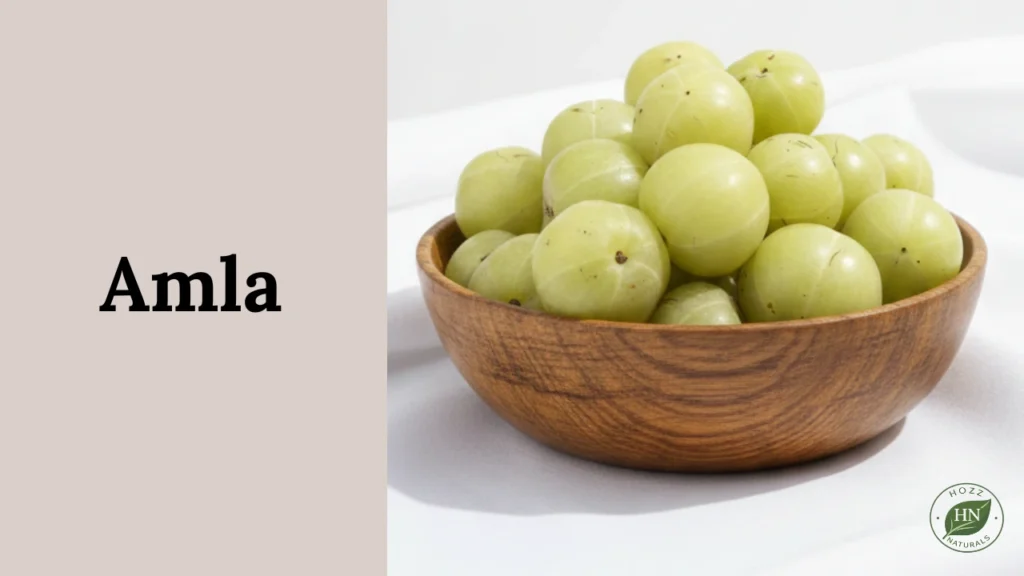
Shikakai-Reetha-Amla Combination (Power Trio): The most widely practiced herbal hair care combination in south Asian traditions blends shikakai power with Reetha, and Amla. Soak equal parts of all three overnight, boil together, cool, strain, and use as a complete hair wash.
Shikakai Hair Mask: Mix 2 tablespoons of Shikakai powder with water, yogurt, or aloe vera gel to form a smooth paste. Apply to the scalp and hair, leave for 20 to 30 minutes, then rinse with lukewarm water.
Shikakai for Constipation: Soak 1 teaspoon of Shikakai powder in a glass of water for 4 to 6 hours (or overnight). Strain and drink the infused water before bedtime. This internal preparation should be used only at moderate doses and for short periods.
Shikakai as Skin Cleanser: Shikakai powder mixed into a paste with water or rosewater can be gently applied to the face or body as a cleansing mask, utilizing its mild saponin lather, astringent tannins, and antibacterial compounds to cleanse skin without disrupting its natural moisture balance.
شکاکائی کا استعمال
بالوں کے لیے شکاکائی استعمال کرنے کا روایتی طریقہ یہ ہے کہ 2 سے 3 کھانے کے چمچ شکاکائی پاؤڈر یا مٹھی بھر خشک پھلیاں 2 کپ پانی میں رات بھر بھگو دیں۔ صبح اسے 10 سے 15 منٹ تک ابال کر ٹھنڈا کریں اور چھان لیں۔ اس پانی کو گیلے بالوں اور کھوپڑی پر لگائیں، 3 سے 5 منٹ ہلکی مالش کریں اور پھر صاف پانی سے دھو لیں۔
بالوں کی مکمل قدرتی نگہداشت کے لیے شکاکائی کو ریٹھا اور آملہ کے ساتھ برابر مقدار میں ملا کر استعمال کرنا برصغیر کا معروف روایتی طریقہ ہے۔ اسی طرح 2 کھانے کے چمچ شکاکائی پاؤڈر کو پانی، دہی یا ایلوویرا جیل میں ملا کر بالوں اور کھوپڑی پر 20 سے 30 منٹ کے لیے ہیئر ماسک کے طور پر لگایا جا سکتا ہے۔
قبض کے لیے شکاکائی پاؤڈر کی تھوڑی مقدار پانی میں کئی گھنٹے بھگو کر اس کا چھنا ہوا پانی استعمال کرنے کی روایتی مثالیں ملتی ہیں، تاہم اندرونی استعمال احتیاط سے اور مختصر مدت کے لیے ہونا چاہیے۔ جلد کی صفائی کے لیے شکاکائی پاؤڈر کو پانی یا عرقِ گلاب میں ملا کر ہلکے کلینزنگ ماسک کے طور پر بھی استعمال کیا جا سکتا ہے۔
Side Effects of Shikakai
Despite its most discussed health benefits, there is an honest discussion of side effects of shikakai is important for responsible use.
Scalp and skin sensitivity: While Shikakai is genuinely gentle for most users, individuals with known Acacia allergies or highly reactive sensitive skin may experience contact dermatitis — manifesting as redness, itching, or rash. A patch test is always recommended before full scalp or body application.
Eye irritation: The saponin lather of Shikakai can cause significant eye irritation if it makes contact with the eyes during hair washing. Exercise care to keep the preparation away from eyes, and rinse immediately and thoroughly with plain water if contact occurs.
Internal use caution: There is a possibility that its excess dose can cause stomach irritation, burning sensation, or constipation.
Pregnancy and breastfeeding: Shikakai is classified as a mild emmenagogue (stimulant of menstrual flow) in some traditional texts, meaning it should be avoided during pregnancy. Breastfeeding women should consult a healthcare provider before internal use.
Open scalp wounds: Individuals with open scalp wounds, active eczema lesions, or severely inflamed scalp conditions should avoid direct Shikakai application to affected areas, as the saponin content may cause stinging and delayed wound healing on broken skin.
شکاکائی کے نقصانات
شکاکائی زیادہ تر افراد کے لیے ایک نسبتاً نرم قدرتی کلینزر ہے، تاہم حساس جلد یا Acacia سے الرجی رکھنے والے افراد میں اس کے استعمال سے سرخی، خارش یا جلدی الرجی پیدا ہو سکتی ہے۔ اس لیے بالوں یا جلد پر وسیع پیمانے پر استعمال سے پہلے چھوٹی جگہ پر Patch Test ضرور کریں۔
شکاکائی کی قدرتی جھاگ آنکھوں میں جانے کی صورت میں جلن پیدا کر سکتی ہے، اس لیے استعمال کے دوران آنکھوں سے دور رکھیں اور اگر آنکھ میں چلی جائے تو فوراً صاف پانی سے اچھی طرح دھوئیں۔ اس کا زیادہ یا غلط مقدار میں اندرونی استعمال معدے میں جلن، پیٹ کی تکلیف یا دیگر ہاضمے کے مسائل پیدا کر سکتا ہے۔
حاملہ خواتین کو شکاکائی کا اندرونی استعمال ڈاکٹر کے مشورے کے بغیر نہیں کرنا چاہیے، جبکہ دودھ پلانے والی خواتین بھی استعمال سے پہلے طبی مشورہ لیں۔ کھوپڑی پر کھلے زخم، شدید ایگزیما یا بہت زیادہ سوزش کی صورت میں متاثرہ جگہ پر شکاکائی براہِ راست نہ لگائیں، کیونکہ اس سے جلن یا زخم بھرنے میں تاخیر ہو سکتی ہے۔
Conclusion
From the ancient Sanskrit texts that first catalogued its properties under the name Bahuphenarasa to the contemporary dermatological research confirming its antifungal efficacy against Malassezia furfur, Shikakai has maintained an unbroken, four-thousand-year conversation between humans and nature about the right way to care for hair.
قدیم آیورویدک روایات سے لے کر جدید سائنسی تحقیق تک، شکاکائی نے بالوں اور کھوپڑی کی قدرتی نگہداشت میں اپنی اہمیت برقرار رکھی ہے۔ اس کی قدرتی صفائی، اینٹی فنگل خصوصیات، اینٹی آکسیڈنٹس اور بالوں کو مضبوط بنانے والی خصوصیات اسے مصنوعی مصنوعات کا ایک مقبول قدرتی متبادل بناتی ہیں۔ مناسب اور محتاط استعمال کے ساتھ شکاکائی بالوں، کھوپڑی، جلد اور مجموعی صحت کی نگہداشت میں مفید ثابت ہو سکتی ہے۔
Disclaimer: This content is intended for educational and informational purposes only. It does not constitute medical advice, diagnosis, or treatment. Always consult a qualified healthcare practitioner before beginning any herbal regimen, particularly for internal use, during pregnancy, or if you have known allergies to Acacia species.
طبی ڈسکلیمر: یہ معلومات صرف تعلیمی اور آگاہی کے مقصد کے لیے فراہم کی گئی ہیں اور طبی تشخیص، علاج یا مشورے کا متبادل نہیں ہیں۔ کسی بھی جڑی بوٹی کو خاص طور پر اندرونی استعمال، حمل، دودھ پلانے یا الرجی کی صورت میں استعمال کرنے سے پہلے مستند طبی ماہر سے مشورہ کریں۔